

CE Certification
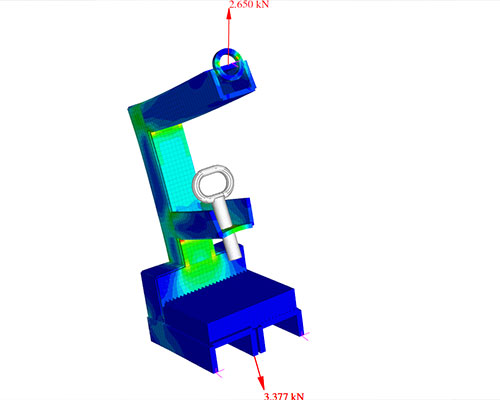
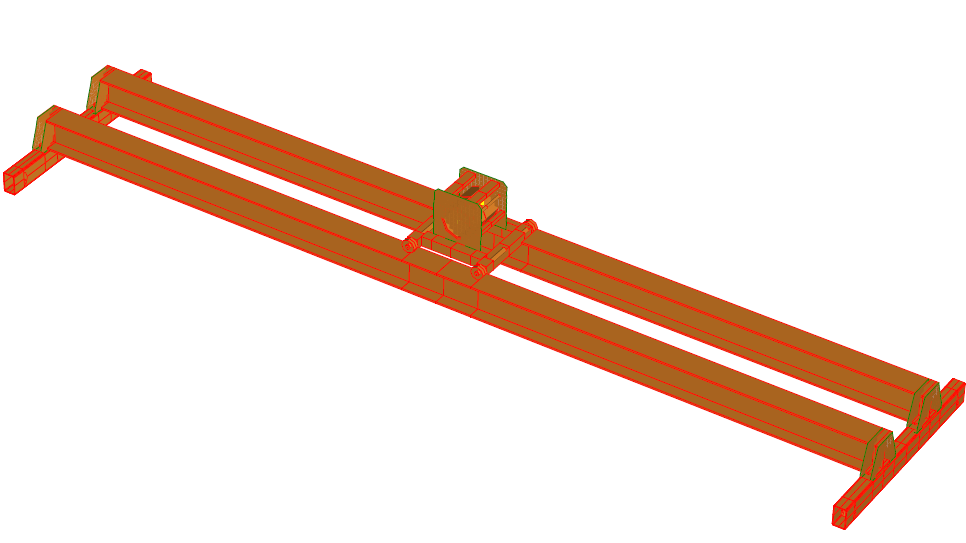
The activities carried out for the preparation of the Technical Files in order to mark CE the equipment are as follows:
a) Survey and analysis activities:
- Analysis of the site where the equipment is installed;
- Analysis of the state of conservation of the equipment;
- Technical evaluation through empty functional tests;
- Possible execution of non-destructive tests on the components (if necessary – UT and VT method according to UNI EN ISO 9712);
- Indications on possible adjustments;
- Evaluation of the machine according to the reference technical standards (FEM 1.001);
- Evaluation of the correct coupling of the equipment;
- Static and dynamic load tests.
b) Drafting of elaborates:
- Drafting for each equipment of the Technical File, including calculations, compliance with the 2006/42/CE standard and risk analysis;
- Drafting of “Use and Maintenance Manual” for each equipment;
- Certification and CE marking for each equipment.
CE marking for the Machinery Directive
CE marking for the Machinery Directive can be affixed to the machine only if it meets all the essential safety requirements applicable to it and this can also occur if there are Residual Risks. They are those that the manufacturer cannot eliminate without altering the functionality of use and the economy of the machine.
CE marking is the formal act
CE marking is the formal act with which the Manufacturer certifies that he has performed all the requirements required by the Machinery Directive and by the other directives applicable to the machine in question.
Compliance is not limited to the essential safety requirements of the Machinery Directive, as other directives applicable to the product may contain particular obligations not necessarily included in the essential requirements of the Machinery Directive.
It should be noted that CE marking is the only one that certifies the compliance of industrial products with the directives inspired by the Global Approach.
Member States refrain from introducing
In this regard, the Member States refrain from introducing into their national legislation any reference to regulatory conformity marking other than “CE” one to demonstrate compliance with all the provisions listed in the directives that provide for CE marking.
However, it is expected that a product may bear other marks, for example, voluntary marks that certify compliance with national or European standards, provided that these indications cannot create confusion with CE marking.
Once CE marking has been affixed, it implies that the natural or legal person who made or had the affixed has made sure that the product – subjected to the appropriate conformity assessment procedures – complies with all the Community directives that apply to it.
CE marking indicates compliance with the provisions of the directives only
Conversely, if one or more of these directives leave the choice to the manufacturer, during a transitional period, of the regime to be applied, CE marking indicates compliance with the provisions of the Directives applied by the manufacturer only.
In this case, the references of the applied directives must be recorded on the documents, notes or instructions accompanying the product.
However, the legislator could not prevent the marketing of incomplete machines that the manufacturer is unable to fully comply with the essential safety requirements.
The safety of the machine could be linked to its integration into a complex system.
Manufacturer's declaration
In this case, the Manufacturer must not affix CE marking on the incomplete machine but only provide the “Manufacturer’s Declaration” as required by Annex II-B of the Machinery Directive.
This document attests
This document certifies that the machine does not fully comply with all the applicable requirements of the Machinery Directive and therefore prohibits putting it into service until the person in charge of the final plant has made the machinery as a whole conform to all the essential requirements of safety.